
ph: +96560443060
alt: +919689983542
jacksanf

- Home
- About Us
- Services
- Contact Us
- Prayer Request
- Testimonials
- Dr Jacksan Therapy

- Life Lessons
- 30 Things to Start Doing for Yourself
- 9 Ways to Become an Optimist
- 10 Mistakes Unhappy People Make
- 60 Selfless Ways to Pay It Forward
- 101 Important Life Principles To Live By Every Day
- 60 Tiny Love Stories to Make You Smile
- 15 Reasons to Run for Your Life
- 10 Life Lessons People Learn Too Late
- 25 Things I Would Tell My 20-Year-Old Self
- 10 Critical Questions You Must Ask Yourself
- 12 Unconventional Habits of Highly Productive People
- 9 Things to Think About Before You Give Up
- 15 Ways to Live, and Not Merely Exist
- 12 Things You Should Be Able to Say About Yourself
- 20 Things to Start Doing in Your Relationships
- 50 Things Everyone Should Know How To Do
- 28 Dignified Ways to Impress Everyone Around You
- 12 Universal Skills You Need to Succeed at Anything
- 7 Things Happy, Healthy People Do Every Morning
- 10 Habits of Happy, Healthy Couples
- 10 Powerful Steps to Stop You from Judging People
- Yoga Cds for sale
- Learn Yoga in Goa
- Yoga practice and uses by Jacksan
- Skype yoga sessions
- Hatha Yoga for Life Book
- Yoga Practice Videos by Dr Jacksan
- Intake Form
- Psychological Counseling Intake Form
- Feedback Form
- Yoga Feedback Form
- Kickboxing
- Ecstasy Album Video
- Learn Salsa Video
- Basic and Advanced Salsa Videos
- Zumba
- Do I need Therapy Test
- Free Ebooks
- Products for PowerPoint Presentations
- Career Test
- Questionnaire on self-esteem
- Student Motivation Survey Self-Assessment
- Career Profile Analysis
- Domestic Violence Screening Test
- Woman Abuse Screening Tool
- Battered Woman Test
- Dissociative Experiences Scale
- Parent-Child Internet Addiction Test
- Free Fitness Profile
- Alcoholism Test
- Drug Abuse Screening Test
- Sexual Addiction Screening Test
- Gambling Test
- ADHD Quick Screening Test
- Generalized Anxiety Disorder
- Panic Attack Test
- Post-Traumatic Stress Disorder Test
- Obsessive-Compulsive Disorder Test
- Mood Disorder Questionnaire
- Stress: Workaholic Test
- Autism Spectrum Test
- Project on Emotional Intelligence
- Strength of Character
- Success factor
- Attitude
- Social Intelligence
- Content or restless
- Content or Restless 2
- Extrovert or introvert
- How assertive are you?
- Laterality
- Optimist or pessimist
- Aggression
- Adventurous or Timorous
- Adventurous or Timorous 2
- How patient are you?
- Planned or spontaneous
- Self-confidence
- Emotional
- How well do you cope under pressure?
- Tactful or undiplomatic
- Leadership factor
- Tough or tender
- Open or Close
- Open or Close 2
- Do you have the gift of thrift?
- How obsessive are you?
- Home Remedies and Natural Cures
- Abrasions
- Acne
- Acne Scars
- Alcoholism
- Allergies
- Alzheimer
- Amnesia
- Anemia
- Angina
- Anorexia
- Anxiety
- Appendicitis
- Arteriosclerosis
- Arthritis
- Asthma
- Athletes Foot
- Autoimmune Disease
- Back Pain
- Backache
- Bacterial Vaginitis
- Bed Sores
- Bedwetting
- Belching
- Blemishes
- Bloating
- Blocked Milk Duct
- Body Odor
- Body Rash
- Boils
- Bone Spur
- Breast Care
- Bronchitis
- Bruises
- Burning Tongue
- Burns
- Bursitis
- Cankar Sores
- Carpal Tunnel
- Cataract
- Celiac Disease
- Chafing
- Chest Congestion
- Chicken Pox
- Chlamydia
- Cholera
- Cirrhosis of the Liver
- Cold Sores
- Colitis
- Common Cold
- Common Digestive Disorders
- Dizziness
- Dry Skin
- Ear Infection
- Earache
- Eating Disorders
- Eczema
- Edema
- Endometriosis
- Enema
- ENT Disorder
- Eye Infection
- Female Sterility
- Fever
- Flatulence
- Freckles
- Frequent Urination
- Fungal Infections
- Gall Bladder Disorders
- Gastritis
- Genital warts
- GERD
- Gingivitis
- Goitre
- Gout
- Gray Hair
- Halitosis
- Hangover
- Hay Fever
- Head Congestion
- Head Lice
- Headaches
- Heat Stroke
- Hemorrhoids
- Herpes
- Hiccups
- High Blood Cholesterol
- High Blood Pressure
- Hives
- Hyperacidity and Heartburn
- Hyperthyroidism
- Hysteria Disorder
- Indigestion
- Influenza
- Insomnia
- Interstitial cystitis
- Intestinal Worms
- Irritable Bowel Syndrome (IBS)
- Itching
- Jaundice
- Jock Itch
- Kidney Stones
- Knee Pain
- Laryngitis
- Leg Cramps
- Lethargy
- Leucoderma
- Leucorrhoea
- Lice Treatment
- Liver Disease
- Loss of Hair
- Low blood pressure
- Low Blood Sugar
- Low Immunity
- Lyme Disease
- Malaria
- Mastitis
- Measles
- Menopausal Disorders
- Menstrual Cramps
- Menstrual Problems
- Migraine
- Moles
- Mononucleosis
- Morning sickness
- Mumps
- Nasal Congestion
- Nausea
- Nephritis
- Neuritis
- Nosebleeds
- Obesity
- Oral Candidiasis
- Orchitis
- Osteoporosis
- Palpitation
- Peeling Skin
- Peptic Ulcer
- Phlegm
- Piles
- Pimples
- Plantar Fascia or Plantar Fasciitis
- Pneumonia
- Poison Ivy
- Polycystic Ovarian Syndrome
- Premature Ejaculation
- Premature Greying of Hair
- Premenstrual syndrome (PMS)
- Prostate Disorders
- Psoriasis
- Pyorrhoea
- Razor Burns
- Respiratory Diseases
- Retain teeth and lip color
- Rheumatism
- Ringworm
- Scabies
- Schizophrenia
- Scurvy
- Sexual Disorders
- Sexual Impotence
- Shoulder Pain
- Sinusitis
- Skin Blemishes
- Skin Disease
- Sleep Apnea
- Sleeping Disorders
- Snoring
- Sore Nipples
- Sore Throat
- Spring Ailments
- Stress
- Stretch Marks
- Sunburn
- Sweating Disorder
- Swimmers Ear
- Tennis Elbow
- Thinning Hair
- Throat Obstruction
- Thyroid
- Tinea Versicolor
- Tinnitus
- Toe Nail Fungus
- Tonsillitis
- Toothache
- Tuberculosis
- Underweight
- Urinary Tract Infection (UTI)
- Urticaria
- Vaginal Infections
- Varicose Veins
- Vertigo
- Vomiting
- Warts
- Wheezing
- Whooping Cough
- Winter Ailments
- Womens Health Issues
- Wrinkles
- Yeast Infection
- Zits
- Raven Test
- TRIGUNAS TEST
Abrasions
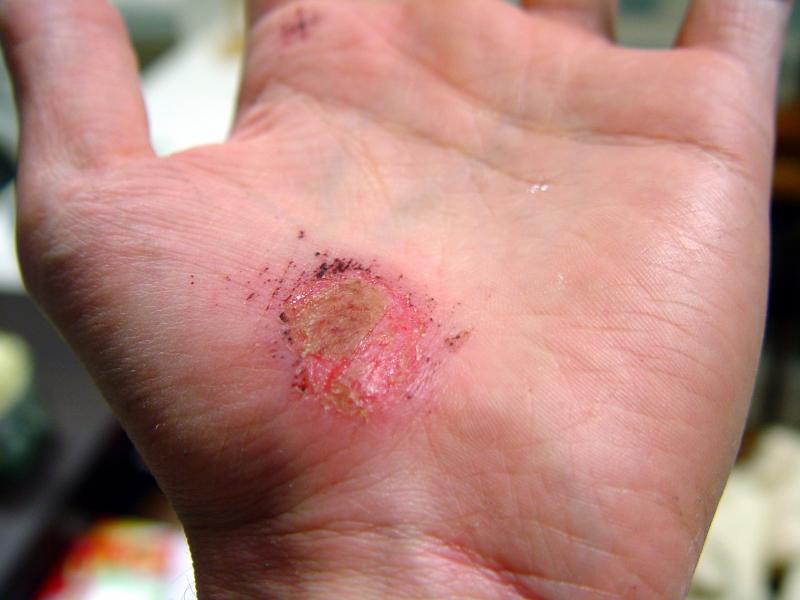 | |
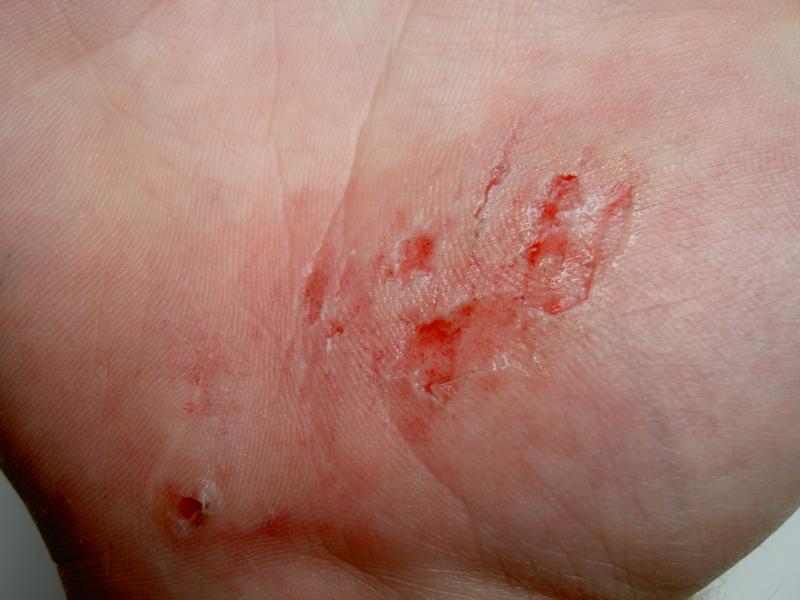
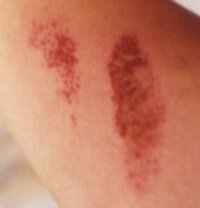
In the field of medicine, the word “Abrasion” can be described as a wound or an injury that causes superficial damage to your skin. Since it only affects the uppermost layer of your skin, an abrasion usually goes no deeper than the epidermis. Many people believe that an abrasion is the same as a laceration, but this is not true. Abrasions are a lot less severe, as compared to most other types of skin injuries and wounds, including a laceration. There are different types of abrasions that you may go through at some point or the other and the severity of each type may vary. Medical experts usually classify the types of abrasion, by degrees, to include:
Symptoms for AbrasionsSince abrasions are relatively shallow wounds on the skin, they are noticeable almost immediately, especially since they may be accompanied by pain in some cases. However, it is quite common for a person to confuse an abrasion with a cut, or other similar skin wounds, mainly because the signs and symptoms for abrasions are not exclusive. Some of the symptoms for abrasions are actually common to other skin-related bruises too. Given below are some of the milder symptoms for abrasions on the skin: Causes for AbrasionsAlmost all of us get abrasions at some point or the other. An abrasion usually occurs when your exposed skin comes into contact with a rough surface while moving. This contact could lead to grinding or rubbing away of the topmost layers of the epidermis, thereby resulting in a scrape, graze or other similar skin wound. This is one of the factors that differentiates an abrasion from a cut or laceration, where contact with a sharp object is usually involved. Remedies for AbrasionsFortunately, an abrasion is rarely a cause for concern and can be dealt with quite easily, using simple and natural home remedies. However, in order to avoid an infection, it is important to make sure that the wound has been cleaned properly. Therefore, the first step in the treatment for an abrasion is washing the affected area with some cool fresh water and an antibacterial soap. This may burn or sting a little, but it is an important step, which cannot be skipped. After the area has been cleaned, rubbing it dry will only aggravate the abrasion. Therefore, use a clean towel to pat the area gently, till it is dry. Once the abrasion has been cleaned and dried, it is best to apply a thick coat of petroleum jelly over the area. This not only soothes the skin, but also moisturizes it. Dry skin usually delays the healing process and therefore, it is better to keep the area moisturized as long as possible. Diet for AbrasionsWhile there is no specific diet that needs to be followed in the treatment of a skin abrasion, there are a few food items that may speed up the healing process. For example, consuming foods that are high in Vitamin E can improve the overall health of the skin and therefore, allow it to heal the abrasion at a faster rate. Taking Vitamin E supplements is also a great way to avoid scarring in case of the deeper abrasions.
Suggestion for AbrasionsAlthough abrasions are exceedingly commonplace and may even seem like a trivial health concern to most of us, they shouldn’t be neglected. Although they may not warrant emergency treatment or first aid, abrasions should be treated appropriately, so as to prevent the onset of a secondary infection and to hasten healing. Adults who get abrasions should avoid smoking and consuming alcohol, as they delay the healing process. At times, the use of certain drugs too, could have a similar effect. If you are on any medications on a regular basis, it would therefore be best to have a word with your doctor about it.
|
ph: +96560443060
alt: +919689983542
jacksanf